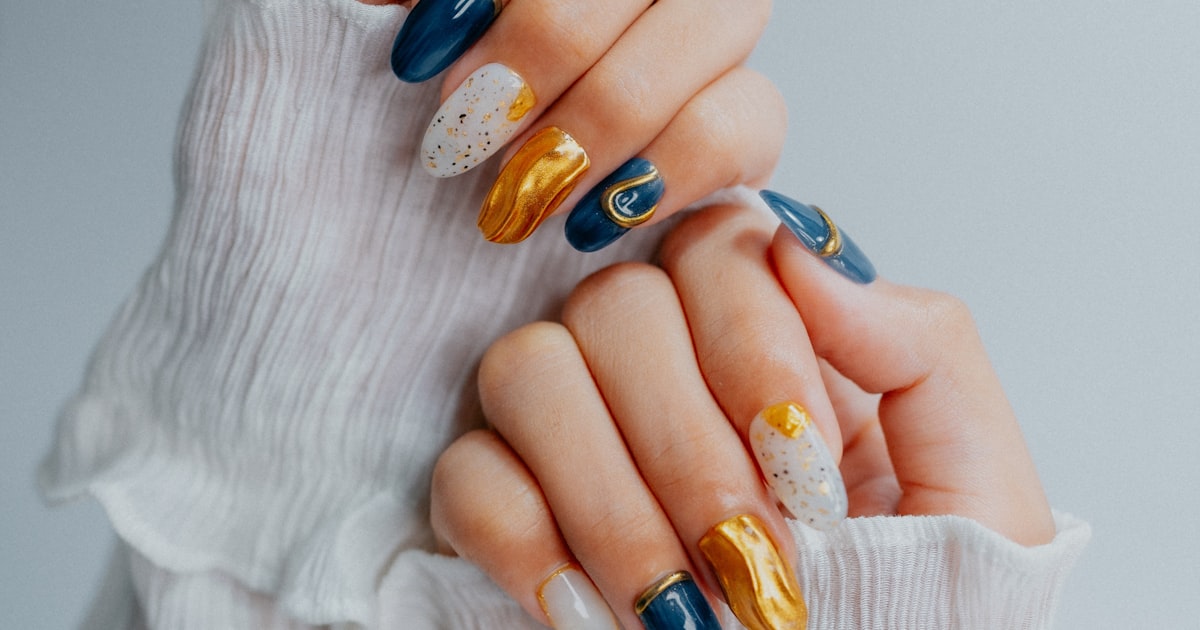
Nail Stamping Plates: 12 Stunning Ideas You’ll Love
The global nail stamping kits market was valued at $312 million in 2025 and is projected to reach $610 million by 2034, according to Intel Market Research (2026). Nail stamping plates turned an intimidating salon technique into a five-minute at-home routine, and that market growth shows just how many people have caught on.
The problem is most first attempts end in a smudged blob instead of a clean design.
This guide covers what nail stamping plates actually are, a full comparison of plate types, the exact technique that prevents smudging, and fixes for the five mistakes that ruin most first attempts. If you’re just starting to build a nail art kit from scratch, our nail art instruments guide covers every tool beyond plates, from brushes to dotting tools. At NailBold, we’ve tested dozens of plates across steel, plastic, and specialty designs. Ready to get a clean transfer on the first try?
Key Takeaways
• The nail stamping kits market is projected to grow from $312M (2025) to $610M by 2034 (Intel Market Research, 2026).
• Steel plates hold finer etching and last longer than plastic.
• Dedicated stamping polish transfers far more reliably than regular polish.
• NailBold’s starter pick: one steel geometric plate plus black stamping polish.
Table of Contents
What Are Nail Stamping Plates?
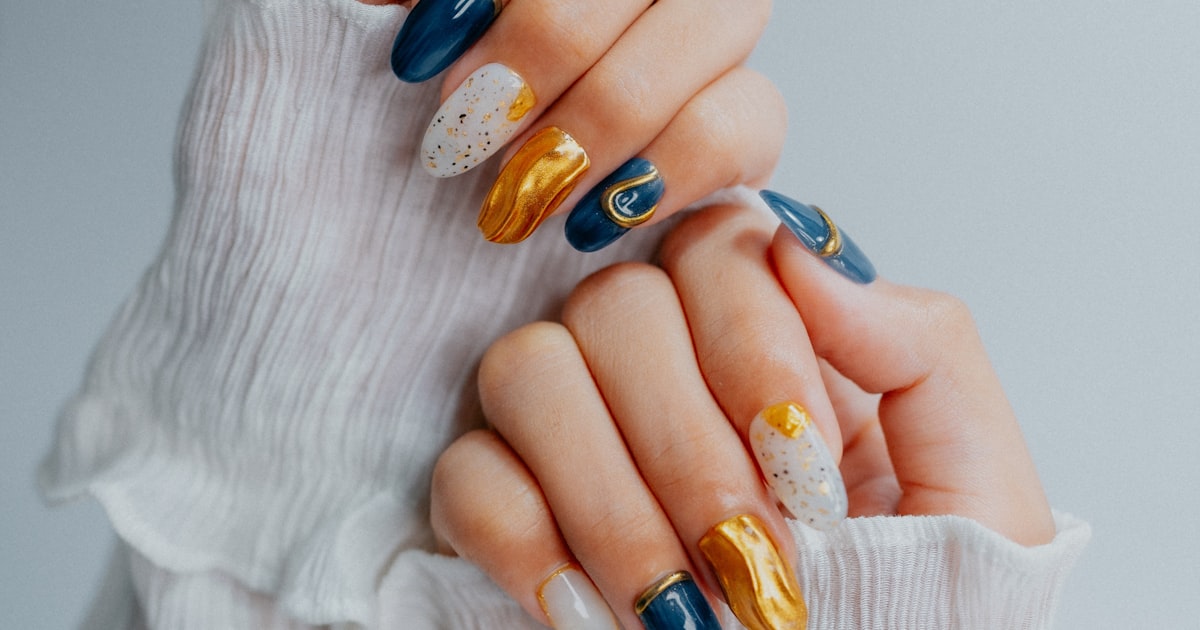
Nail stamping plates are etched steel or plastic discs engraved with nail art designs — florals, geometrics, animal prints, holiday motifs — that transfer onto the nail using a silicone stamper. As the broader nail art tools market grows from $299 million in 2024 toward $585 million by 2034 at a 10.3% CAGR (Intel Market Research, 2026), plates remain the single most popular category within it.
Three tools work together here, and skipping any one of them is why most beginners struggle. Understanding what each tool does before you buy anything prevents the most common first purchase mistake: buying a plate with no stamper, or a stamper with no compatible scraper. A scraper removes excess polish from the plate’s surface. A stamper, usually silicone, lifts the design out of the etched grooves. And stamping polish — thicker and more pigmented than regular polish — is what actually holds its shape long enough to transfer.
Don’t confuse stamping with freehand nail art. Freehand requires a steady brush hand built over months of practice; stamping plates let you press a pre-etched design onto the nail in under ten seconds, which is exactly why the category has grown so fast among home users with zero art background.
Why Are Nail Stamping Plates So Popular Right Now?
In 2026, the nail stamping kits market sits at roughly $338 million and is climbing toward $610 million by 2034, a 7.8% annual growth rate (Intel Market Research, 2026). That pace outstrips a lot of adjacent beauty categories, and the reason is simple: stamping delivers detail freehand art can’t match without years of training.
Compatibility is worth checking before you buy, too. Not every stamper works well with every plate size — a small stamper head struggles to pick up a full-nail design cleanly, while an oversized one can smudge into neighboring squares on a busy pattern. Match stamper diameter to your most-used plate style first.
Pricing helps too. A basic plate runs $3-$8, a stamper and scraper set adds another $8-$15, and stamping polish is $4-$7 a bottle — a full starter kit costs less than a single salon nail-art appointment and gets reused hundreds of times.
Here’s the part most buying guides skip: plate quality matters more than design count. A $10 plate with 50 shallow, poorly etched designs will frustrate you more than a $6 plate with 10 designs cut deep and clean. Etching depth, not pattern variety, decides whether your stamps actually transfer.
According to Intel Market Research (2026), the nail stamping kits market is projected to grow from $312 million in 2025 to $610 million by 2034 at a 7.8% CAGR, confirming stamping as one of nail art’s fastest-growing at-home categories. At NailBold, we recommend buying one well-reviewed steel plate before a themed multi-pack, since etching quality is impossible to judge from a pack photo.
Which Type of Nail Stamping Plate Should You Buy?
Women drove 88.1% of the $15.6 billion nail polish market in 2025 (Global Market Insights, 2026), and stamping plates are one of the few tools in that spending built to last years, not weeks. Material and etching depth decide almost everything about how a plate performs — here’s the full comparison.
| Plate type | Material | Etching depth | Lifespan | Price (2026, approx.) | Best for |
|---|---|---|---|---|---|
| Steel, deep-etched | Stainless steel | Deep | 500+ uses | $6-$10 | Fine detail, pros |
| Steel, standard | Stainless steel | Medium | 200-300 uses | $4-$7 | Everyday designs |
| Plastic | Molded plastic | Shallow | 50-100 uses | $3-$5 | Simple shapes, beginners |
| Themed multi-packs | Steel or plastic mix | Varies | Varies | $12-$25 (set) | Seasonal variety |
| Full-nail plates | Steel | Medium-deep | 200+ uses | $8-$12 | Single full-nail designs |
| Accent plates | Steel | Medium-deep | 200+ uses | $5-$8 | Small motifs, single nails |
If you already own a full nail art kit and are only missing plates, our nail art instruments guide covers every other tool — stampers, scrapers, brushes — in depth.
How Do You Use Nail Stamping Plates Step by Step?
Gel now sells $4.33 billion a year against liquid lacquer’s $5.99 billion (Market.us, 2026), and stamping works over either base once it’s fully cured. The technique itself is five steps, and skipping the scrape step is where most first attempts fail.
Beginner — budget $15-$25
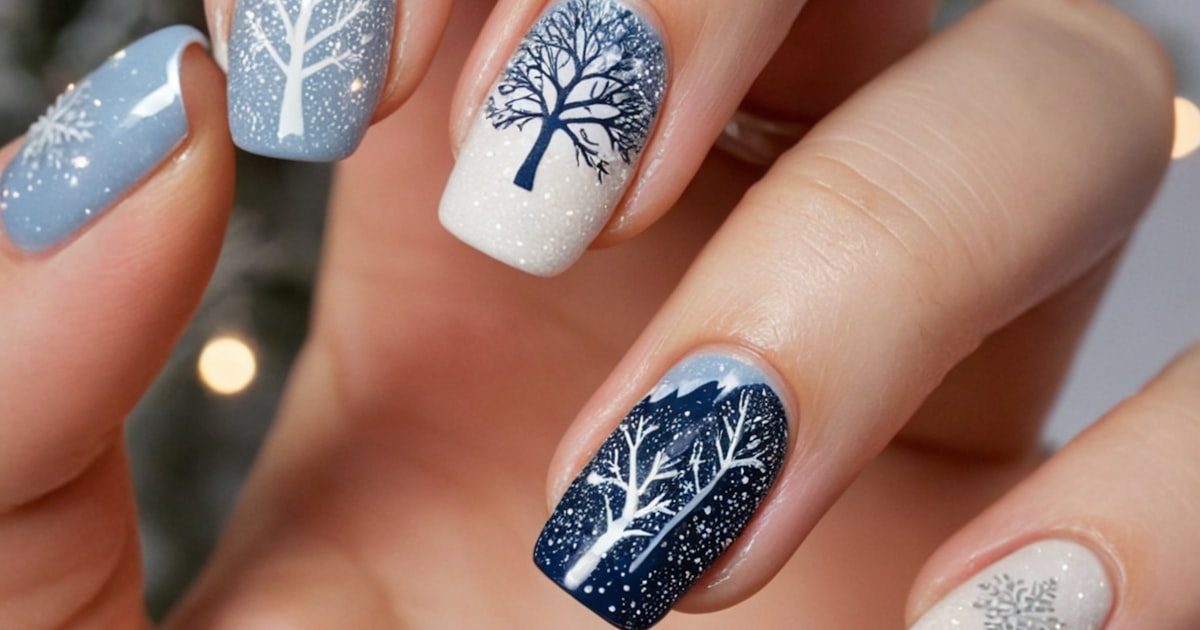
One plate, one stamper, one scraper, one bottle of black stamping polish. Paint a thin layer of stamping polish over the design, scrape it off at a 45-degree angle in one pass, then press the stamper onto the plate for two to three seconds before rolling it onto your nail. Honestly? Practice the roll-off motion on a paper towel first — it’s easier than it looks, I promise, once your wrist gets the rhythm. Most beginners rush this exact motion out of nervousness, pressing the stamper down and lifting it straight up instead of rolling it across the nail in one smooth arc. That straight lift is what causes the classic half-transferred smudge — a rolling motion, from one edge of the nail to the other, is what keeps the design intact.
Intermediate — budget $30-$60
Layering two stamping colors on one plate — a base shape in one color, an accent detail in another — opens up two-tone designs. A dual-headed stamper with different firmness levels handles this better than a single soft stamper, since firmer silicone picks up fine lines more precisely.
Advanced — budget $80+
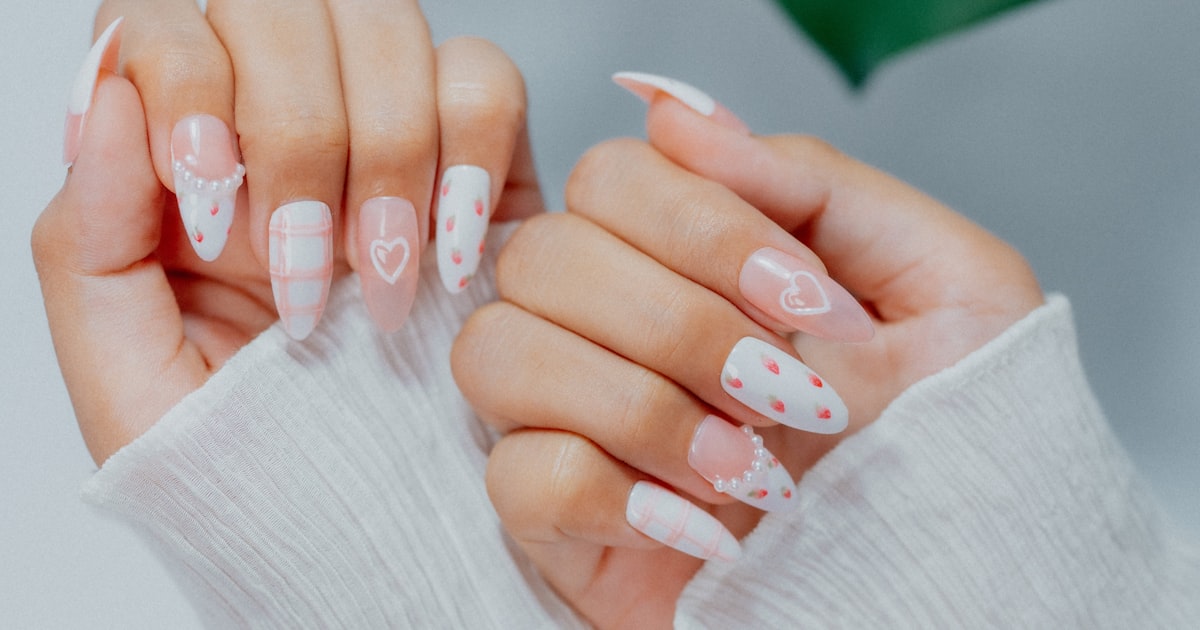
Reverse stamping — stamping the design onto a silicone mat first, then lifting it with clear gel onto the nail — gives full control over placement and layering multiple designs into one composition. This flips the usual order: instead of stamping straight onto the nail and hoping the placement lands right, you build the design separately, check it, and only then commit it to the nail with gel. It takes practice to get the timing right, but it’s the technique behind most of the intricate multi-color work you see from professional nail artists.
Common Nail Stamping Mistakes (and How to Fix Them)
The global nail polish market is projected to reach $19.7 billion in 2026 on its way to $31.0 billion by 2033 (Grand View Research, 2026), and a meaningful share of that gets wasted on stamping attempts that smudge before they ever reach the nail. These five mistakes cause nearly every failed transfer.
- Using regular polish instead of stamping polish: Regular polish is too thin and dries before it transfers. Fix: use dedicated stamping polish every time — it’s formulated to stay wet longer and hold a raised pattern.
- Working too slowly: Stamping polish dries fast; hesitating between scraping and stamping ruins the transfer. Fix: scrape, stamp, and roll onto the nail in one continuous motion, under five seconds total.
- Pressing too hard with the stamper: Heavy pressure squishes and distorts the design instead of lifting it cleanly. Fix: use a light touch — just enough contact for the silicone to grab the polish, nothing more.
- Skipping the scrape step: Excess polish left on the plate smears instead of leaving a crisp design. Fix: scrape at a 45-degree angle in one clean pass — never back and forth.
- Not sealing with top coat: Stamped designs sit slightly raised and chip first without protection. Fix: one thin top coat locks the whole design flat and glossy.
I ruined my first four attempts moving too slowly between the scrape and the stamp. Once you feel the rhythm, it clicks fast — and it stays clicked.
Nail Stamping Plates FAQ
What are nail stamping plates?
Nail stamping plates are etched steel discs engraved with nail art designs. A stamper picks up polish from the etched pattern and transfers it onto the nail in seconds, letting anyone recreate salon-level detail without freehand painting skills.
Why won’t my stamping design transfer properly?
The two most common causes are polish drying too fast before the stamper picks it up, or an under-cured plate with shallow etching that can’t hold enough polish. Work quickly after scraping, use stamping-specific polish, and replace plates once the etching feels worn or shallow to the touch.
What polish works best for nail stamping plates?
Dedicated stamping polish, not regular nail polish. Stamping polish is thicker and more pigmented so it sits in the etched design instead of drying too fast or sinking in. Regular polish often fails to transfer cleanly because it’s formulated to level flat, not hold a raised pattern.
How do you clean nail stamping plates?
Wipe leftover polish off immediately after each use with a lint-free wipe and acetone — dried polish clogs the fine etching and ruins future transfers. Store plates in their protective sleeve or a dedicated case; scratches on the etched surface cannot be repaired and permanently blur the design.
Are metal or plastic stamping plates better?
Steel plates hold finer, deeper etching and last for hundreds of uses, which is why most nail techs use them professionally. Plastic plates cost less and work fine for simple shapes, but they wear down faster and struggle with intricate line work that steel handles cleanly.
Ready to Try Your First Stamp?
Nail stamping plates turn intricate designs into a five-second press instead of a steady-hand freehand session. Quick recap:
- Buy one quality steel plate before a themed multi-pack.
- Use dedicated stamping polish, never regular polish.
- Scrape, stamp, roll — all in one continuous, unhurried motion.
So — simple geometric first, or straight to a full floral plate? Whichever you pick, our nail art instruments guide has everything else your kit needs.
NailBold covers everything you need to know about nail art, nail shapes, nail polish colors, and nail trends. Explore our full library at nailbold.com.
Sources: Intel Market Research, “Nail Stamping Kits Market Growth Analysis, Dynamics, Key Players and Innovations, Outlook and Forecast 2026-2034,” 2026 — https://www.intelmarketresearch.com/nail-stamping-kits-market-43965 · Intel Market Research, “Nail Art Tools Market Growth Analysis, Outlook and Forecast 2026-2034,” 2026 — https://www.intelmarketresearch.com/nail-art-tools-market-31620 · Global Market Insights, “Nail Polish Market Size and Share, Forecasts Report 2026-2035,” 2026 — https://www.gminsights.com/industry-analysis/nail-polish-market · Grand View Research, “Nail Polish Market Size And Share Report,” 2026 — https://www.grandviewresearch.com/industry-analysis/nail-polish-market · Market.us, “Nail Polish Statistics,” 2026 — https://www.news.market.us/nail-polish-statistics/ · All retrieved 2026-07-07.
Pair this with Nail Art Instruments Guide for more ideas.
Share this article