How to Remove Gel Nail Polish at Home Without Damage
Peeling off your gel nail polish with a bobby pin feels satisfying for about ten seconds — then you look down and half your nail bed came with it. If you’re searching for how to remove gel nail polish at home without wrecking what’s underneath, you’re not alone: the global nail polish market is on track to hit $18.7 billion in 2026, and gel formulas are the fastest-growing slice of it (GM Insights, 2026).
Most of the damage people blame on acetone isn’t actually from the acetone. It’s from what happens before and after the soak. This guide walks through the dermatologist-approved acetone method, a slower non-acetone route, the five mistakes that cause white spots and splitting, and exactly how long to wait before your next set. At NailBold, we’ve tested every method below — some more than once, on nails that regretted it.
Key Takeaways
• The safest way to remove gel nail polish at home is a 100% acetone soak for about 10 minutes, wrapped in plastic — not foil (American Academy of Dermatology).
• Picking or filing gel off instead of soaking is the number one cause of white spots and thin nails.
• Non-acetone peel-off base coats exist, but they only work well on polish that’s just a few days old.
• Give your nails one or two gel-free days between manicures so they can rehydrate.
Table of Contents
How to Remove Gel Nail Polish at Home: The Safest Method
In 2026, learning how to remove gel nail polish at home starts with the simplest method there is: a 100% acetone soak. The American Academy of Dermatology recommends filing off the shiny top layer first, then wrapping each nail in an acetone-soaked cotton pad with plastic wrap — not foil, which tends to drip — for about 10 minutes. Gel polish is a UV- or LED-cured formula that resists chipping for up to three weeks, and that same toughness is exactly why regular remover barely touches it. You need pure acetone, not the diluted kind sold for everyday lacquer.
- Prep: Lightly buff the glossy top coat off each nail so acetone can actually get underneath it.
- Soak: Saturate a cotton pad — about half a ball per nail, a quarter for pinkies — in 100% acetone.
- Wrap: Press the pad onto the nail and wrap tightly in plastic wrap for a snug seal.
- Wait: Ten minutes, timed. Guessing is how people end up scraping too soon.
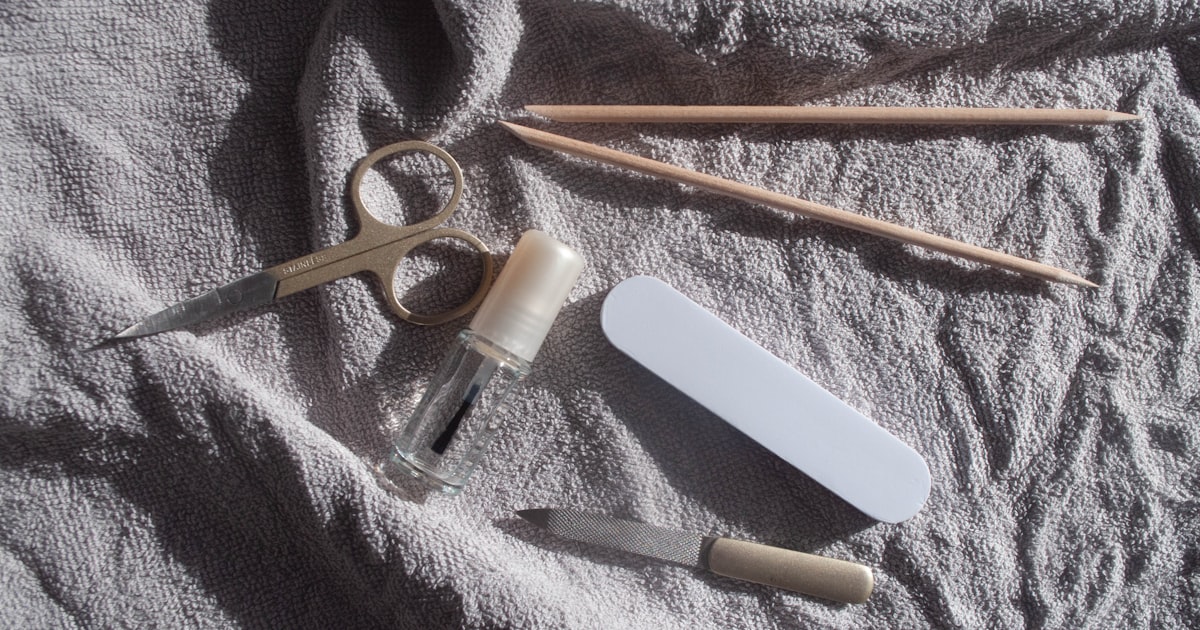
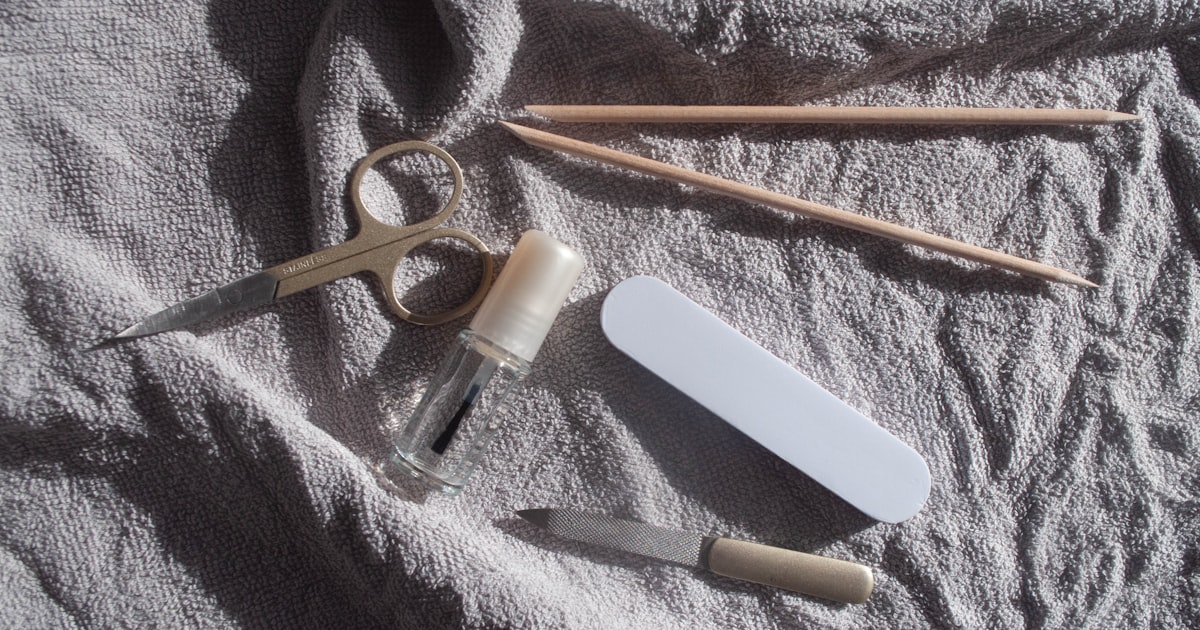
- Lift: Use a wooden or silicone cuticle stick, never a metal file, to gently push off softened polish.
Here’s the part most tutorials skip: if the gel nail polish isn’t sliding off once the wrap comes away, don’t fight it. Re-wrap for another five minutes instead of prying — that’s exactly the moment fingernails start losing their top layer.
How Long Does It Take to Soak Off Gel Nail Polish?
Ten minutes is the standard soak time for a fresh, single-color gel manicure, according to the American Academy of Dermatology. Builder gel and BIAB run thicker, though, and can need 15 to 20 minutes — sometimes a second wrap entirely — because there’s simply more product for the acetone to break through. If you’re working with builder gel nails, budget extra time and patience; it won’t lift as fast as standard soak-off polish, and rushing it is how nails end up gouged.
A few things slow the process down further: glitter and chrome toppers seal in a way plain color doesn’t, thick layers from a DIY application take longer than a thin salon coat, and cold acetone works noticeably slower than room-temperature acetone. Sitting the acetone bottle in a bowl of warm water for a minute before you start is a small trick that actually shaves real time off the soak.
Can You Remove Gel Nail Polish Without Acetone?
Yes, though it takes longer and works best on gel nail polish that’s only a few days old. Peel-off and soak-off base coats have gained real traction as people look for lower acetone exposure, and that shift shows up in the numbers: gel nail polish alone accounted for roughly $4.33 billion of the $11.1 billion nail polish market, and it’s projected to reach $6.08 billion as more of that growth moves toward gentler formulas (Market.us). This means the “gel without harsh remover” category isn’t a niche trend anymore — it’s a real chunk of what people are buying.
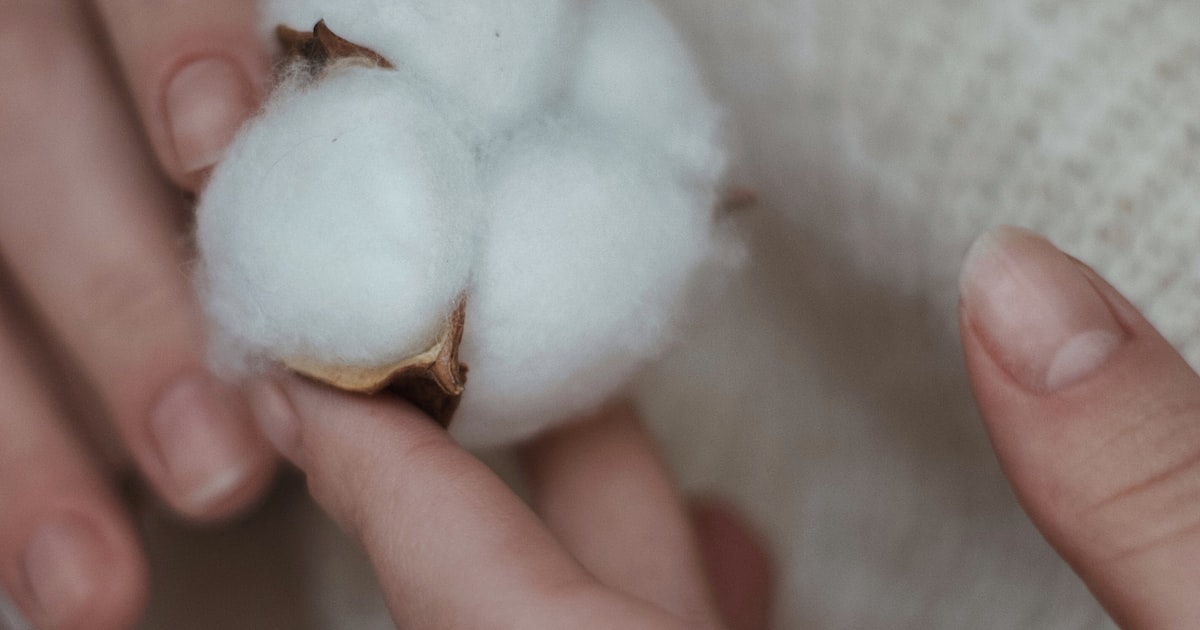
Without acetone, your best options are a warm soapy-water soak paired with gentle buffing, or working dental floss under a lifted edge the way you’d floss a tight tooth gap. Neither is reliable on builder gel or a fresh two-week-old manicure — they’re really only for polish that’s already starting to lift on its own. Force it past that point and you’re back to peeling, which is the one thing this whole guide is trying to help you avoid.
What Happens If You Peel or File Gel Nail Polish Off Instead?
Nails get thin, white, and rough — sometimes for months. Dermatologists point to frequent touch-ups and forced removal as a leading cause of nail damage, since peeling gel off pulls away layers of the actual nail plate, not just the polish sitting on top of it. Gel nails typically need a fill or touch-up every 2 to 3 weeks as the natural nail grows out, and each cycle is another chance to either soak it off properly or tear it off badly.
We see this constantly: someone peels off one nail because “it was already lifting,” and that’s the exact nail that ends up patchy and see-through for the next three manicures. If damage has already set in, recovery isn’t instant — fingernails take roughly six months to grow out completely, and toenails run 12 to 18 months, per the American Academy of Dermatology. That’s a long time to stare at a thin spot, which is the best argument for soaking properly the first time.
How Do You Care for Your Nails After Removing Gel Nail Polish?
Acetone strips natural oils along with the gel nail polish, so nails come out dry no matter how careful you were. Massage cuticle oil into the nail bed and surrounding skin right after removal, follow with a thicker hand cream, and skip polish entirely for a day or two if nails feel rough or thin. Jojoba oil and vitamin E oil both absorb faster than plain olive oil if you want something that won’t leave your hands greasy for an hour.
Healthy nails should feel smooth and slightly flexible right after a soak — not chalky or papery. Chalky is your sign to take a real break, not just switch colors. That said, one soak isn’t going to ruin anything permanently; it’s the back-to-back cycle with no recovery time in between that causes the damage most people associate with “gel nail polish.”
Which Type of Manicure Is Easiest to Remove at Home?
Standard soak-off gel nail polish is the easiest of the bunch — it’s built to dissolve in acetone within about 10 minutes. Builder gel, BIAB, and acrylic overlays sit at the harder end because they’re thicker and often need buffing before acetone can even start working. Dip powder falls somewhere in between: it dissolves fine, but the layered application means longer soak times than plain polish. If you’re deciding between formulas before your next set, short gel nail designs are the easiest to both apply and remove. Here’s how the common options stack up side by side.
| Method | Time Needed | Approx. Cost | Nail Damage Risk | Best For |
|---|---|---|---|---|
| Foil-wrap acetone soak | 10-15 min | $5-10 | Low, if not rushed | Standard gel nail polish |
| Bowl soak (fingers submerged) | 10-15 min | $8-12 | Low-medium (dries skin) | Removing several nails at once |
| Non-acetone peel-off base coat | 20-30 min | $10-15 | Low | Fresh, thin gel nail polish only |
| Professional salon soak-off | 15-20 min | $10-25 service fee | Very low | Builder gel, BIAB, thick overlays |
| E-file / drill buffing | 5-10 min | $30-60 device, or salon add-on | Medium-high if over-buffed | Experienced users, salon pros |
| Warm water + oil soak | 30-45 min | $2-5 | Low | Sensitive skin, no acetone |
| Filing only, no soak | 20-30+ min | $3-5 | High (thins nail plate) | Emergency touch-ups only |
| Picking or peeling | Seconds, feels fast | Free | High — layers pull away | Not recommended, ever |
Once you know which method fits your polish type, the real skill is matching your routine to your experience level. Here’s how that looks in practice, from a first solo removal to something closer to salon-grade.
Beginner: The $10 Foil-Wrap Method
Budget around $5 to $10 for cotton pads, plastic wrap, and a small bottle of pure acetone. Buff, soak, wrap for 10 minutes, lift gently, then moisturize — that’s the whole routine, and it’s genuinely enough for someone removing gel solo for the first time. Don’t overthink it; the timer matters more than the technique here.
Intermediate: The Bowl-Soak Routine
Invest $15 to $25 in a small glass dappen dish, a proper cuticle oil, and a richer hand cream. Soak all ten nails at once instead of wrapping each one individually, and pair it with a standing weekly cuticle-oil habit rather than an occasional swipe. It’s faster and it noticeably cuts down on the dry, chalky texture that comes with the beginner method.
Pro: E-File-Assisted Removal
Budget $30 to $60 for a personal e-file, or ask a salon technician to do it. This tier is really for builder gel and BIAB overlays that don’t fully dissolve in acetone alone. It takes real practice to avoid over-buffing into the natural nail, so this isn’t the place to start if you’ve never removed gel before — get comfortable with soaking first.
5 Mistakes That Wreck Your Nails During Gel Removal
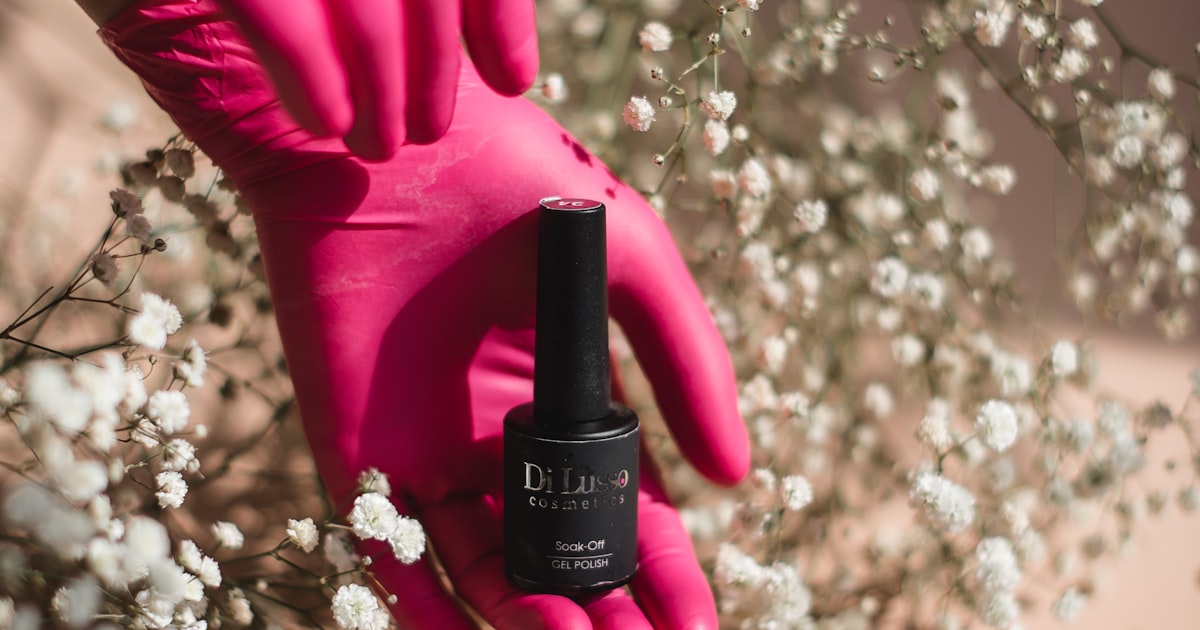
- Picking instead of soaking. Fix: soak first, always — even if a corner is already lifting on its own.
- Skipping the top-coat buff. Fix: rough up the glossy seal with a light buffer before wrapping; acetone can’t get through it otherwise.
- Using foil instead of plastic wrap. Fix: switch to plastic wrap — it seals tighter and won’t drip acetone onto your skin.
- Skipping aftercare. Fix: apply cuticle oil and hand cream immediately after the soak, not the next morning.
- Reapplying gel the same afternoon. Fix: give nails at least a day or two bare between manicures whenever you can.
Frequently Asked Questions
Is it bad to remove gel nail polish at home?
Not if you soak it off properly. The risk was never the acetone itself — it’s picking, filing, or rushing the wrap. If you’re wondering exactly how to remove gel nail polish at home without a trip to the salon, the American Academy of Dermatology’s own removal method uses a cotton pad, plastic wrap, and a 10-minute wait, and it’s specifically designed to be done at home.
How do you remove gel nail polish without ruining your nails?
Soak, don’t scrape. File off only the glossy top layer, wrap nails in acetone-soaked cotton for 10 minutes, then lift gently with a cuticle stick. Rushing this step before the polish has fully softened is what causes the white spots and thinning people blame on acetone.
Can you use regular nail polish remover on gel nail polish?
Not really. Regular remover is usually a low-percentage acetone blend meant for standard lacquer, and it won’t break down cured gel. You need 100% pure acetone, the same strength salons use, or the polish will barely budge even after 20 minutes of soaking.
How often can you safely get gel manicures back to back?
Dermatologists recommend a short break between sets rather than reapplying gel the same day it comes off. Nails that go straight from one gel manicure into the next rarely get a chance to rehydrate, and that’s usually when brittleness and peeling set in.
What if gel nail polish won’t come off after soaking?
Re-wrap for another 5 to 10 minutes instead of prying it loose. Thick builder gel, glitter toppers, and chrome finishes all take longer to dissolve than standard soak-off polish, and forcing it early is the single most common cause of nail damage in this whole process.
The Bottom Line
If there’s one thing to remember about how to remove gel nail polish at home, it’s that patience beats speed every time: buff, soak, wrap, wait, then moisturize — in that order. Skip a step and you’re the one holding a nail file three manicures later, wondering why your nails look thinner. Sound familiar?
If gel is a regular habit, it’s worth learning the difference between removing a quick color refresh and removing a full builder gel nails overlay, since the two need very different soak times. Once your nails are bare and recovered, browse chrome nails, cat eye nails, or jelly nails for what to try next. NailBold covers everything you need to know about nail art, nail shapes, nail polish colors, and nail trends. Explore our full library at nailbold.com.
Sources: American Academy of Dermatology, “Dermatologist’s secret for removing gel nail polish at home,” retrieved 2026-07-27 — aad.org; American Academy of Dermatology, “Artificial nails: Dermatologists’ tips for reducing nail damage,” retrieved 2026-07-27 — aad.org; GM Insights, “Nail Polish Market Size & Share Report, 2026-2035,” retrieved 2026-07-27 — gminsights.com; Market.us, “Nail Polish Statistics By Brands and Shades,” retrieved 2026-07-27 — news.market.us; IBISWorld, “Hair, Nail & Skin Care Services in the US,” retrieved 2026-07-27 — ibisworld.com.
Share this article